



Re: Your Aroid Society Newsletter
- Subject: Re: Your Aroid Society Newsletter
- From: G* F* <j*@wanadoo.fr>
- Date: Sun, 19 Jun 2011 11:42:15 +0200
|
Hello,
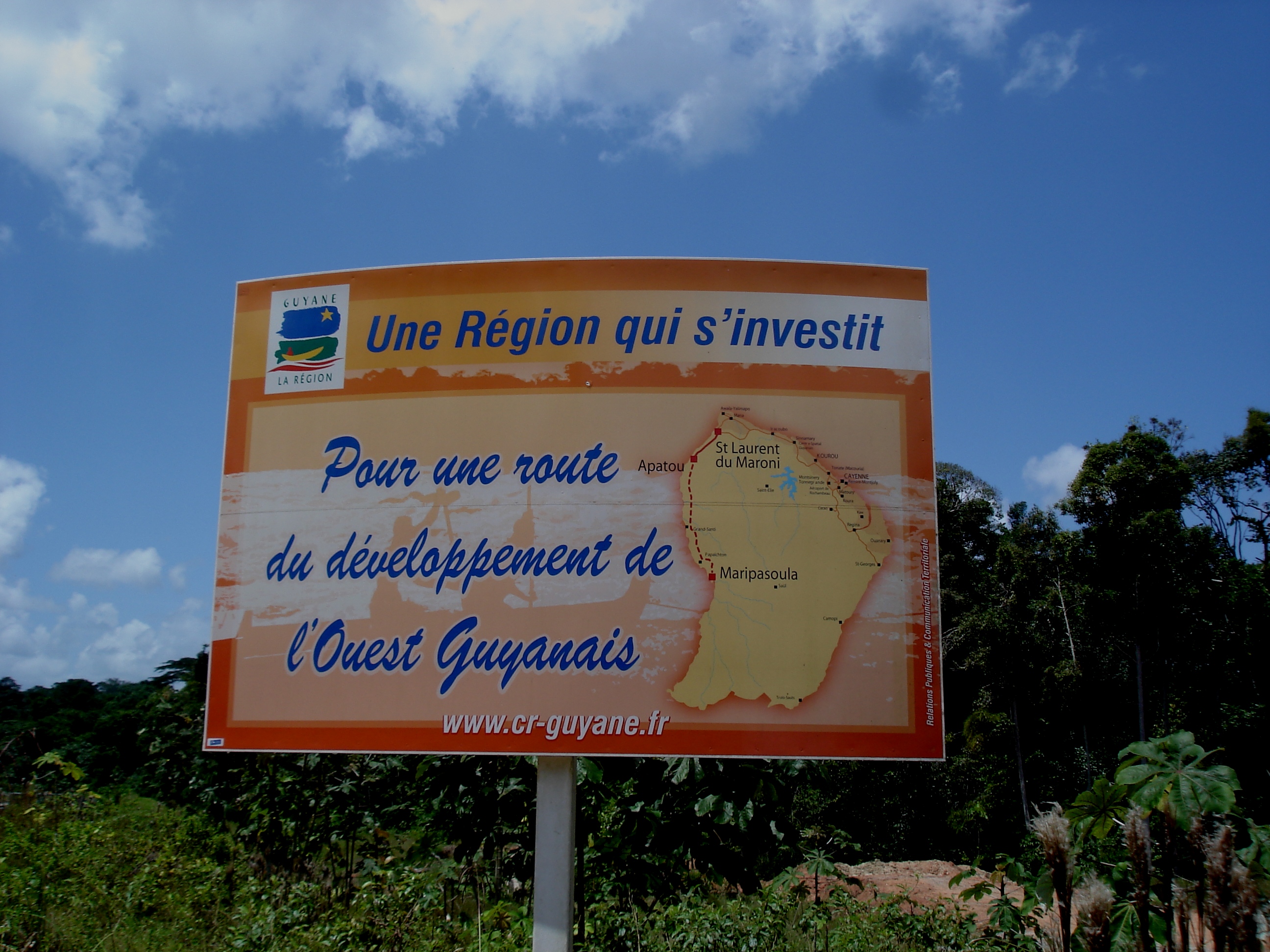
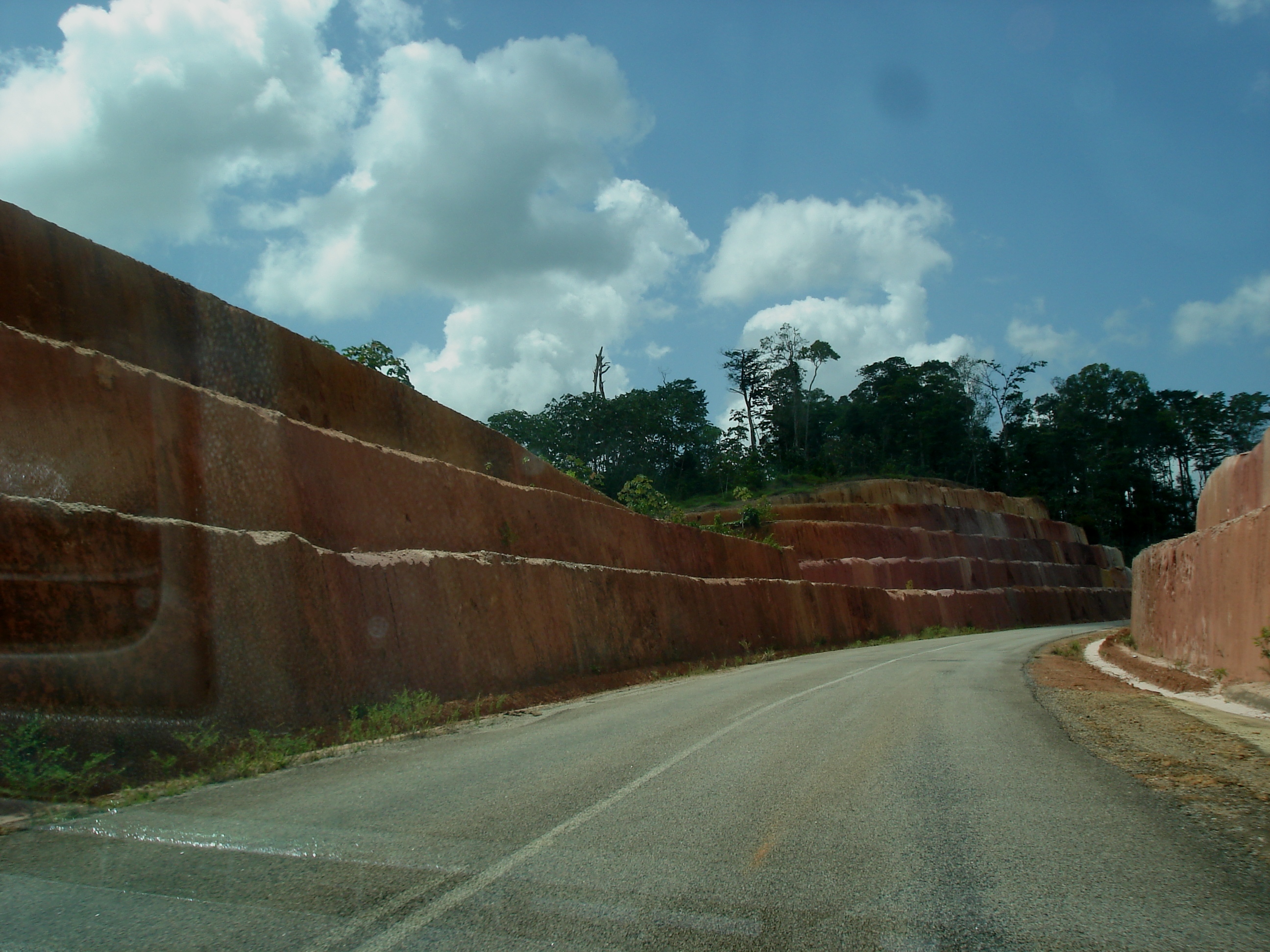
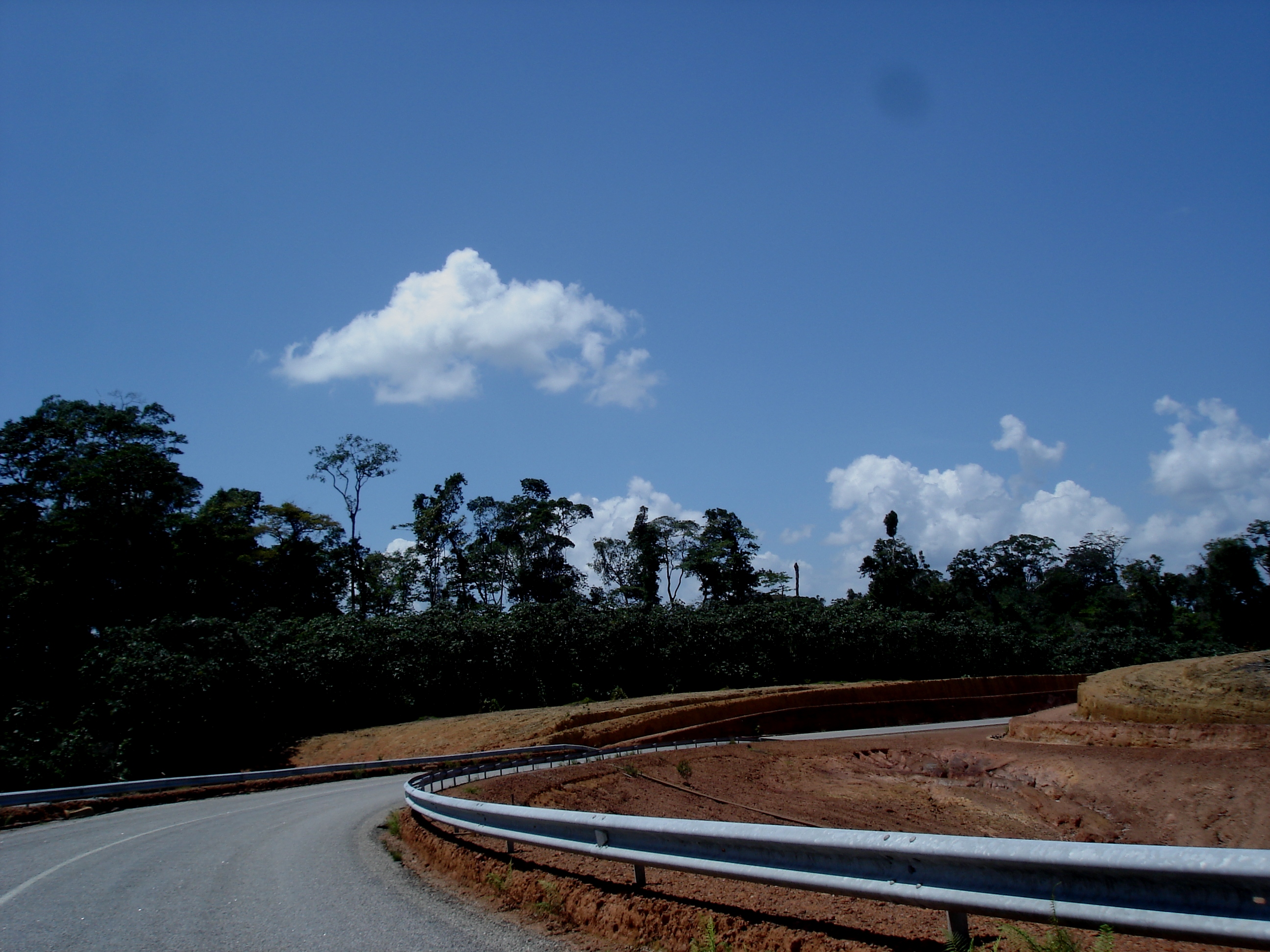
Here is 3 pictures of the new road along the Maroni River, a border with Suriname and French Guiana. It is very impressive. It will take years for the vegetation grows. But the villages are less isolated. We have seen the great works in Saint Georges de L'Oyapock. A bridge will join Brazil in the river Oyapock.But it âs good ? ?? Best
regards ,
GeneviÃve Ferry From: j*@yahoo.com
Sent: Saturday, June 18, 2011 3:21 AM
To: aroid-l@www.gizmoworks.com
Subject: Re: [Aroid-l] Your Aroid Society
Newsletter I, too, enjoyed the newsletter. However, in Tom
Croat's narrative of his expedition to the Guianas, I couldn't help but notice
how often he referred to a place that was remote but is now connected by road to
developed areas, or that was wild but is now being developed. In the short
term, this makes for convenience in collecting new plants; but it is part of the
long-term habitat loss that makes plants (and everything else) rare. In
this IAS newsletter we see in microcosm the global environmental crisis.
Haven't we all noticed this? Can we not all think
of some of our favorite nature places, now disappeared under pavement, lawns, or
industry? Can we not all think of some plant or animal we used to see a
lot of in our younger days, that has now become a special, memorable sighting in
the "islands" of preserved nature? I certainly can. And when I read
the nature narratives of the past, even 40 or 50 years ago, I find it hard to
believe there could ever have been such abundance.
As plant lovers, we are surely concerned about all
this. We can grow our prized specimens, and that is good; but if they come
to exist only in cultivated collections, apart from their ecological connections
to the world, they, and we, are diminished.
Jason Hernandez
Naturalist-at-Large
------------------------------ Message: 2 Date: Wed, 15 Jun 2011 09:01:39 +0930 From: "Greg Ruckert" <g*@alpacamanagement.com> Subject: Re: [Aroid-l] Your Aroid Society Newsletter To: <h*@aroid.org>, "Discussion of aroids" <aroid-l@www.gizmoworks.com> Message-ID: <7CEE2D4631C7474BAB254E7529653F6F@greg32d9eee6c2> Content-Type: text/plain; charset="iso-8859-1" Recently I was put in my place on Facebook by an American aroid collector who felt that joining the IAS was a waste of money. His comment was why would he spend his money on soomething he might only use a couple of times. I believe he spends thousands of dollars buying plants each year. Well, I believe that the $25 annually is the best money that an aroid collector could spend if they genuinely want to learn about their plants. The latest newsletter is fantastic. I congratulate the contributors and everyone that had anything to do with putting it together. Thank you for your efforts I (and I am sure many others) really appreciate it. Greg Ruckert, Nairne, South Australia
_______________________________________________ Aroid-L mailing list Aroid-L@www.gizmoworks.com http://www.gizmoworks.com/mailman/listinfo/aroid-l |
Attachment:
2011_02_27G_ 013.jpg
Description: JPEG image
Attachment:
2011_02_27G_ 002.jpg
Description: JPEG image
Attachment:
2011_02_27G_ 016.jpg
Description: JPEG image
_______________________________________________ Aroid-L mailing list Aroid-L@www.gizmoworks.com http://www.gizmoworks.com/mailman/listinfo/aroid-l
- References:
- Re: Your Aroid Society Newsletter
- From: J* H* &*
- Re: Your Aroid Society Newsletter
- Prev by Date: Re: Your Aroid Society Newsletter
- Next by Date: Re: Amorphophallus ID please
- Previous by thread: Re: Gonatopus angustus
- Next by thread: June IAS Newsletter now available