Re: FW: Vic -- Iris Insect Pests [1 Attachment]


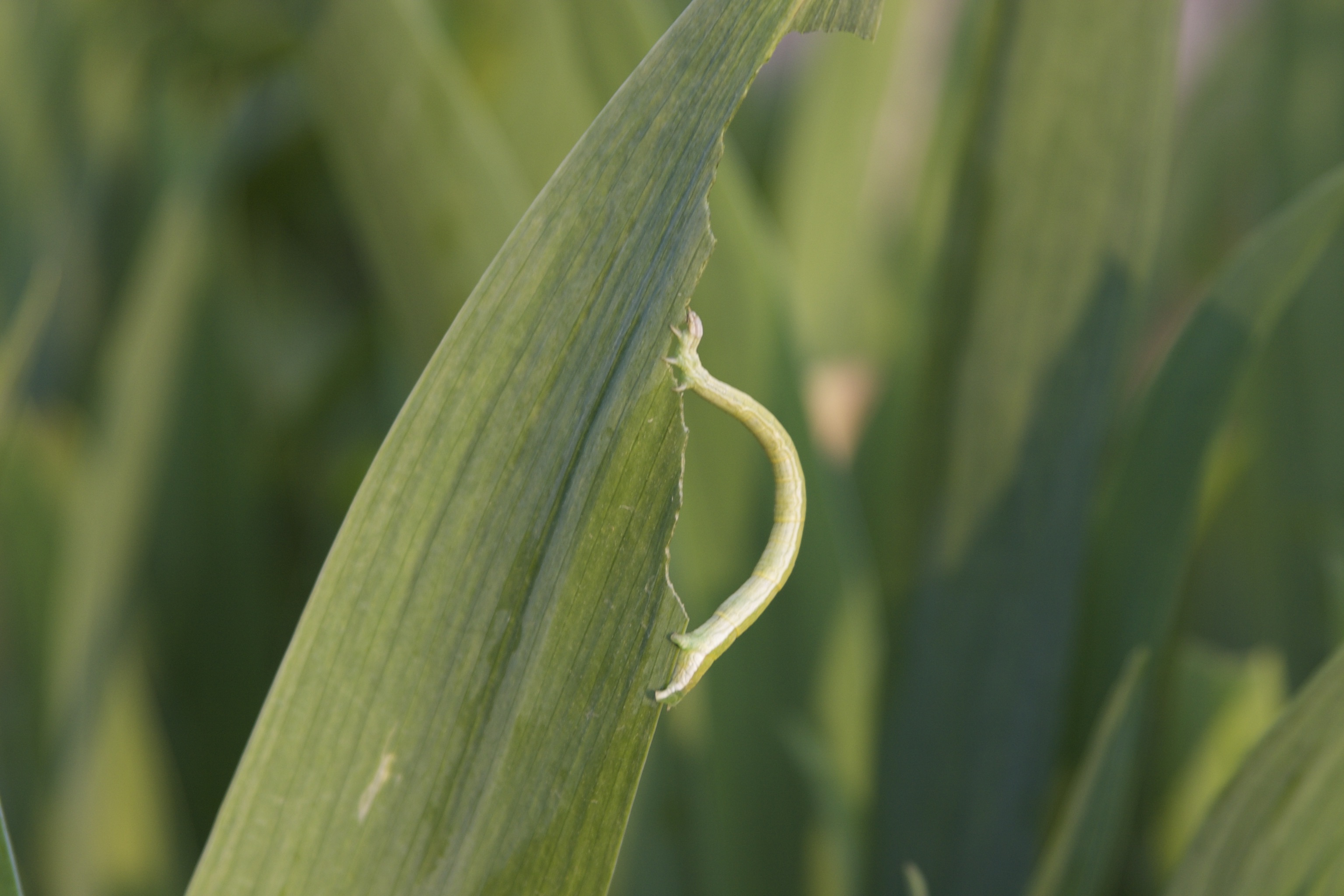
Definitely looks like something in the Arctiidae (tiger moths/wooly bears), but after a flip through Caterpillars of Eastern North America I'm thinking maybe a Haploa species? They're said to prefer Asteraceae and Boraginaceae when small, but switch to eating almost anything later, including trees and shrubs. I would guess that they're just eating your irises because they're there, not because of any preference for them, and that they're not likely to be a problem.

I found another generic feeder, Xanthotype (an inchworm), feeding on a bearded iris one time. As you can see it was doing quite a bit of damage for such a little guy. I kept it until it metamorphosed into a moth.

On Thu, Dec 3, 2015 at 11:37 AM, 'Victor W. Lambou' v*@msn.com [iris-species] <i*@yahoogroups.com> wrote:
 

Iris Insect Pests


The irises, mostly Louisiana types, that I grow in my garden appear be fairly free from damage from animal pests.  Whitetail deer will occasionally sample an iris leaf during mid-winter when green forage is in short supply and then quickly decide that the taste is not to their liking. During the summer, the Eastern Lubber Grasshoppers (Romalea microptera, syn. Romalea guttata) will sometimes wander into my irises batches and much on iris leaves.  I control them using the foot-stomping method.  Other than the above, irises in my garden have been fairly free of insects pests until to this fall in November and early December. Then I begin noticing big somewhat- round holes being eaten in the upper part of the leaves of my irises with some appreciable damage to a few of the plants. The holes are sometime large enough that a portion of the upper parts of the leaves break off from the plant.  I narrowed down the culprit to the approximately inch-long Salt Marsh Caterpillar (or Salt Marsh Moth or Acrea Moth), Estigmene acrea (see attached photos).  Since my discovery of them, I have aggressively used foot-stomping on them. I don’t recall ever having seen them before on my irises. In a somewhat quick review of the literature and internet, I found no mention of the Salt Marsh Caterpillar being a pest on irises. My questions: Is this something unique to my garden?  Have other iris growers had problems with this insect?  According to the literature, despite their name, they are common in habitats far from salt marshes and are found all across the US, southern Canada, Mexico, and into Central America.  Furthermore, they are reported to eat a wide variety of plant leaves, including cabbage, cotton, walnut, apple, tobacco, peas, potato, corn, clover, etc.


Vic  


JPEG image


Other Mailing lists | Author Index | Date Index | Subject Index | Thread Index