


Re: unusual forms in species [3 Attachments]
- Subject: Re: unusual forms in species [3 Attachments]
- From: "Sean Zera z*@umich.edu [iris-species]" <i*@yahoogroups.com>
- Date: Sat, 7 Feb 2015 18:49:55 -0500
|
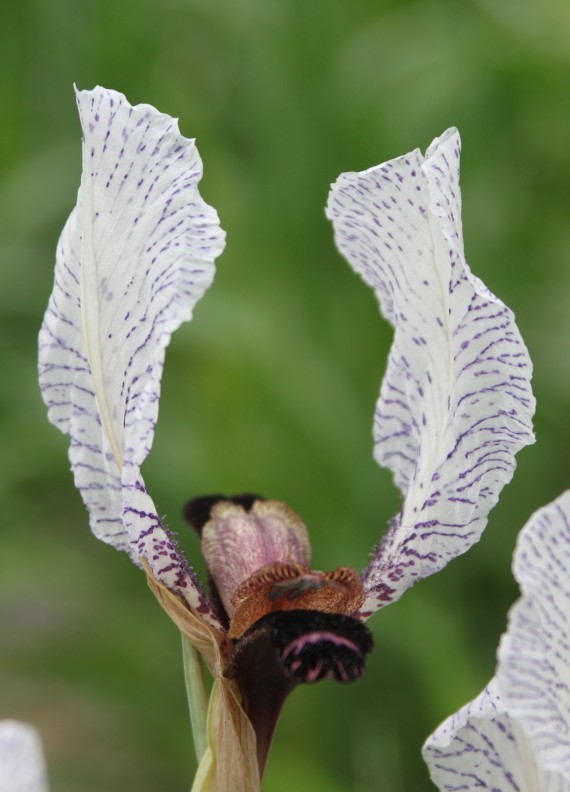
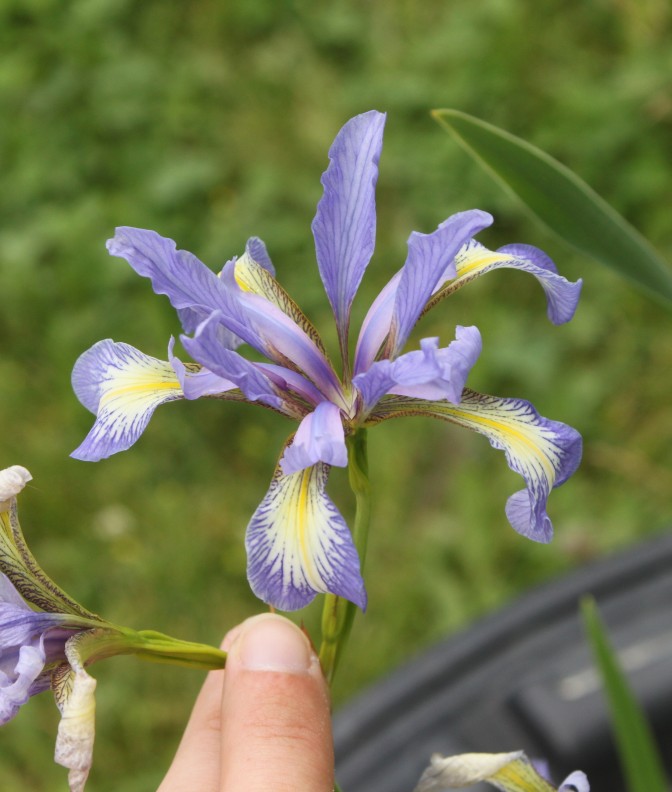
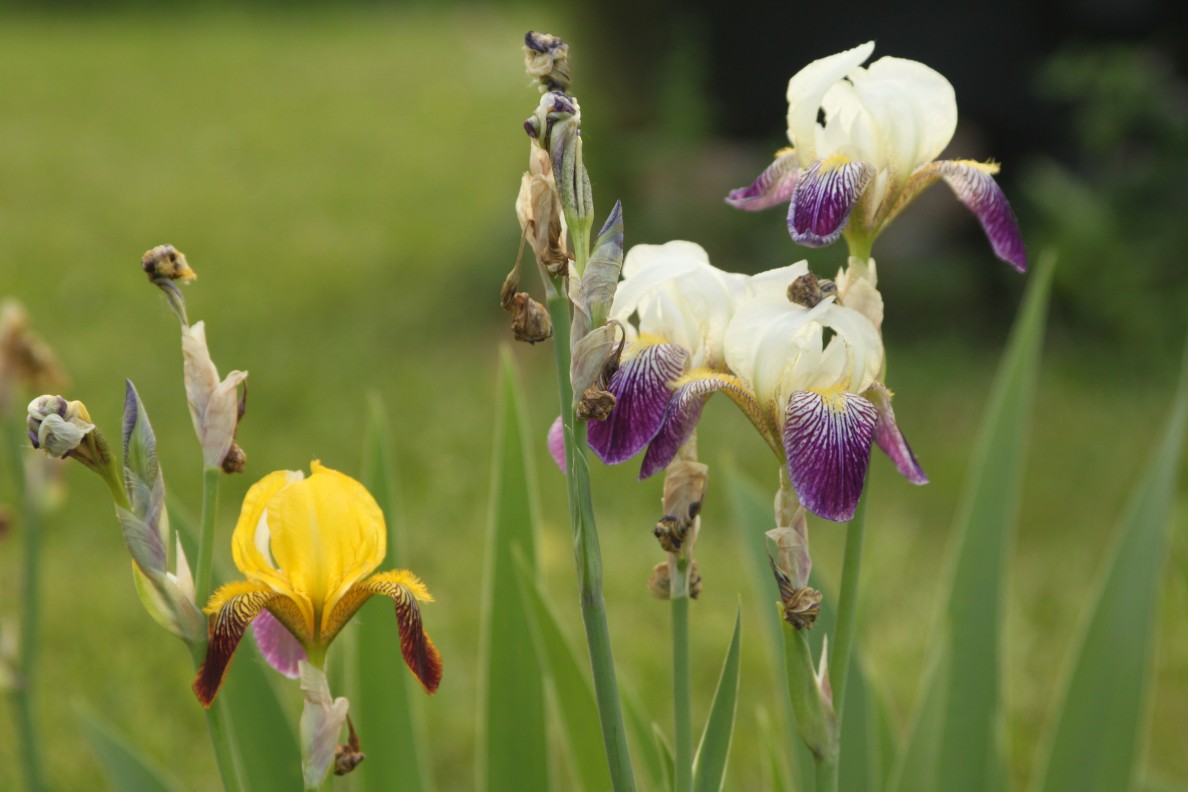
It was undoubtably just the one flower. That one's unusual, but one-off developmental weirdness in iris flowers is quite common - I bet most of us get some every year. Commonly the merosity (number of parts) goes wrong in a single flower. Irises are obviously normally 3-merous, but here are photos of a 2-merous paradoxa and a 5-merous prismatica. Broken color patterns which resemble chimerism are found in many irises. It can be stable and genetic, so there are a *lot* of bearded cultivars with that trait, as well as some Louisianas ('Splitter Splatter') and (I think) Japanese. I've never seen it in an otherwise wild-type species iris, though. Here's a photo of color extremes on 'Joseph's Coat Katkamier'; normally each flower is streaked randomly with both colors. Sean Z Zone 6a SE Michigan On Sat, Feb 7, 2015 at 5:31 PM, 'a*@frontier.com' a*@frontier.com [iris-species] <i*@yahoogroups.com> wrote:
|
- References:
- Re: unusual forms in species
- From: "Sean Zera zera@umich.edu [iris-species]" <iris-species@yahoogroups.com>
- Re: unusual forms in species
- Prev by Date: Re: unusual forms in species
- Next by Date: RE: unusual forms in species
- Previous by thread: Re: unusual forms in species
- Next by thread: RE: unusual forms in species